

Tens of thousands of people march across Manhattan for No Kings Protest
No Kings protested across the nation and New York City sparked by outrage from the war on Iran, ICE and the Epstein Files.
By James Suckle
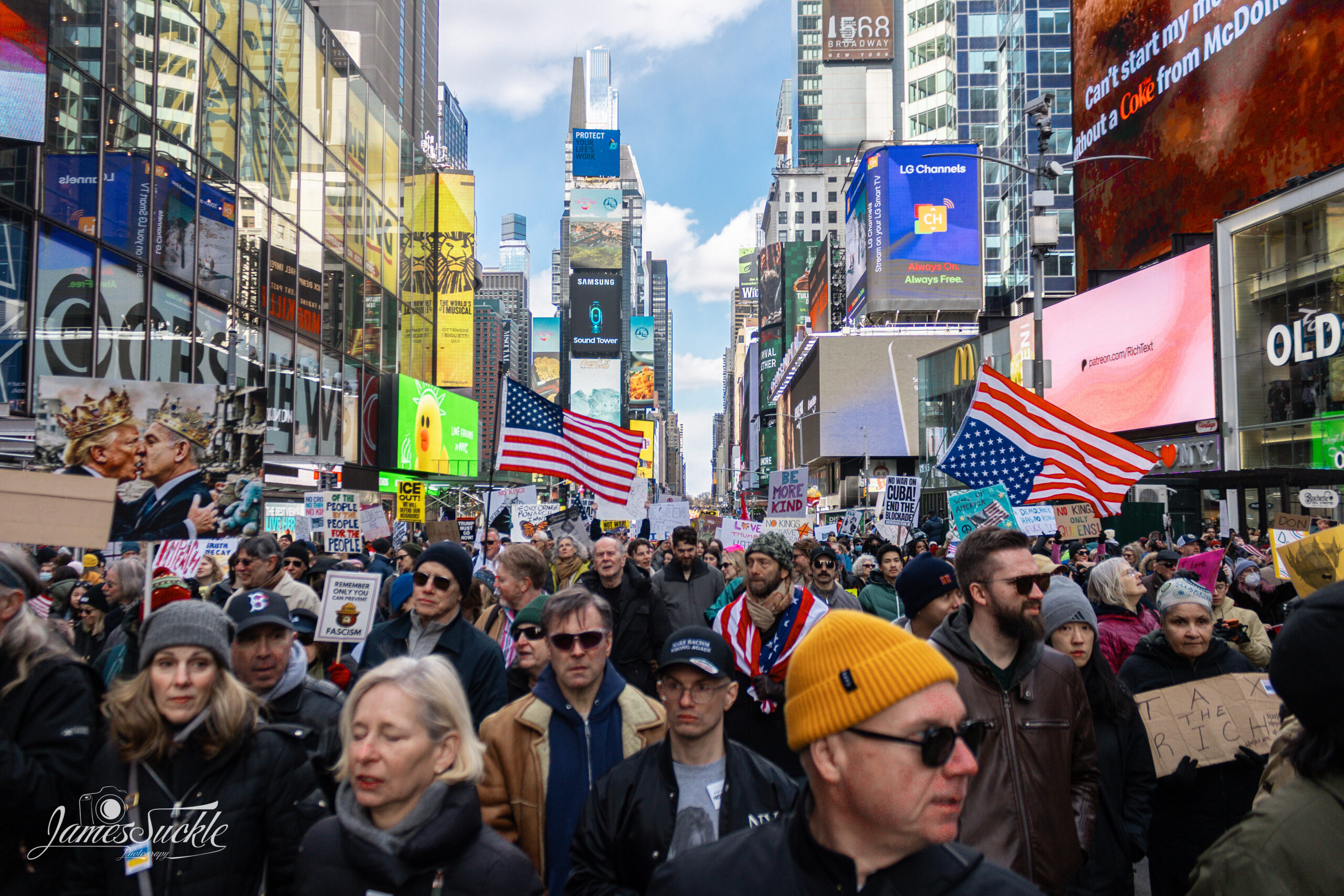
Tens of thousands of protesters crowed the streets of New York City on Saturday, March 28, joining a nationwide “No Kings” protests aimed at opposing policies of President Donald Trump’s administration.
The New York march, one of the largest in the country, began near Central Park and Columbus Circle, with crowds moving south through Manhattan, carrying signs, chanting slogans, and calling for political change. Across the country, over 3,300 events took place with over eight million people participating, according to nokings.org.
White House spokesperson Abigail Jackson called them the product of “leftist funding networks” with little real public support. The “only people who care about these Trump Derangement Therapy Sessions are the reporters who are paid to cover them,” Jackson said in a statement.
What the Protest Was About
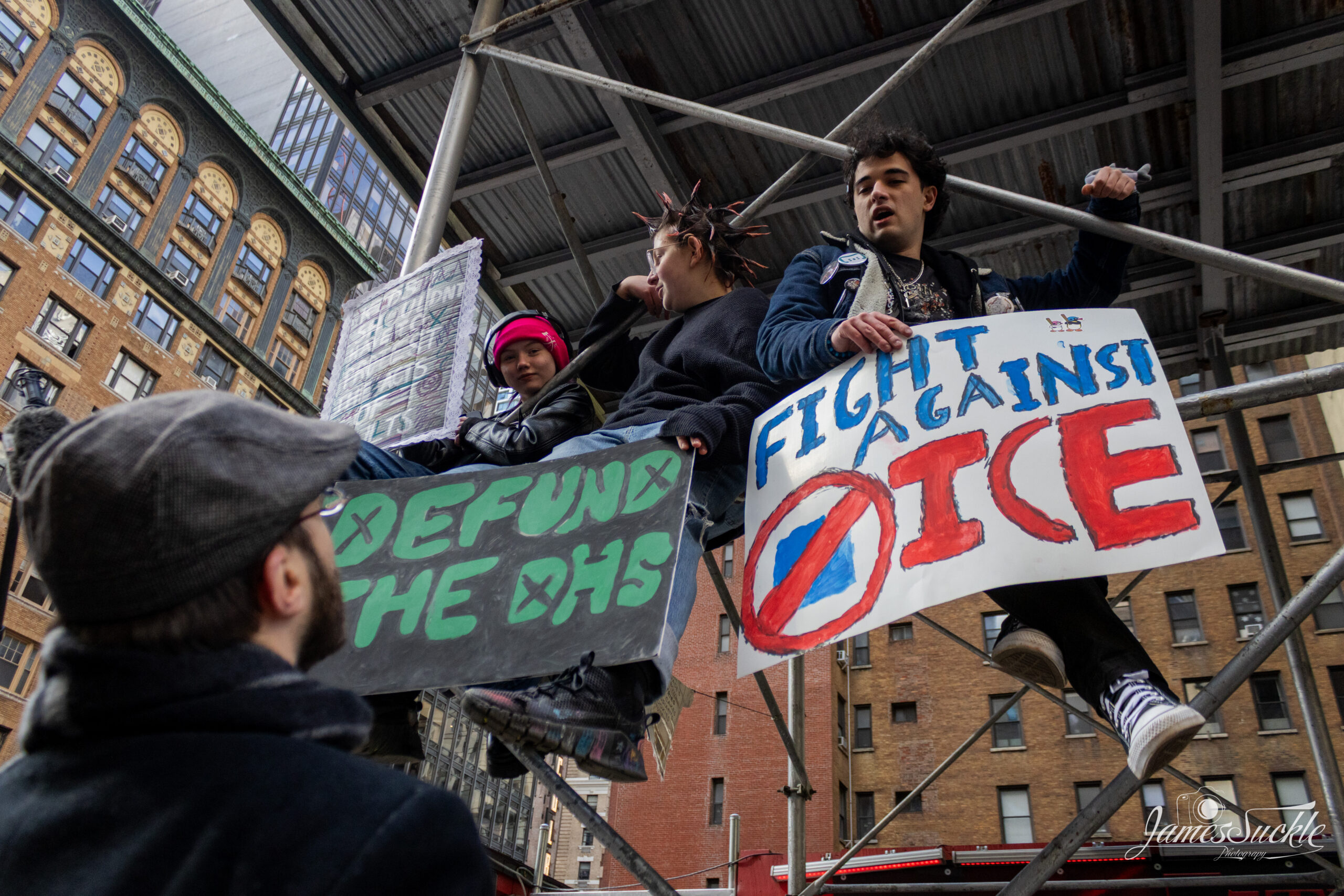
The “No Kings” movement centers on opposition to what organizers describe as growing authoritarianism in the federal government. Protesters in New York and across the country voiced concerns over several major issues, including:
- Immigration enforcement and ICE operations
- The ongoing U.S. conflict involving Iran
- Economic pressures like rising costs
- Cuts to healthcare and public programs
A Movement Fueled by Youth and Organizers
For many young activists, the protest was about more than just showing up—it was about building long-term momentum.
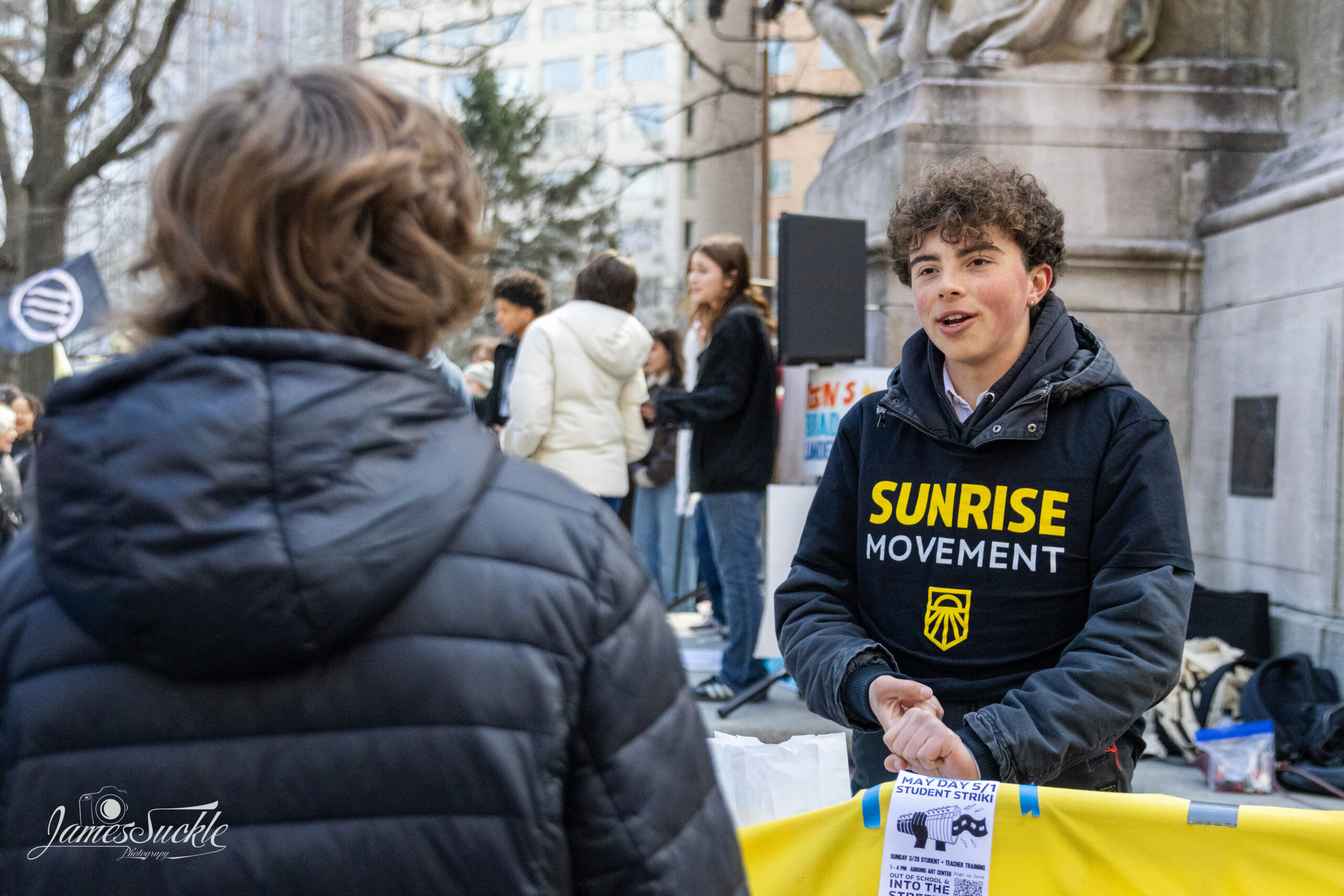
Marley Caron-Richman, representing Sunrise Brooklyn Tech and the larger Sunrise Movement, said the demonstration represents “a really awesome nationwide movement” with the potential to grow into one of the largest in U.S. history.
He emphasized that organizers are working to turn protest energy into action, hosting training sessions and student organizing efforts leading up to future demonstrations.
Similarly, 16-year-old organizer Ariel Sura highlighted the importance of youth involvement, saying movements only succeed when younger generations take part. “What’s so important is that the youth are in the rally, that the youth are in the fights, and if they aren’t, then that just means the fight isn’t loud enough.”
A Wide Range of Political Perspectives
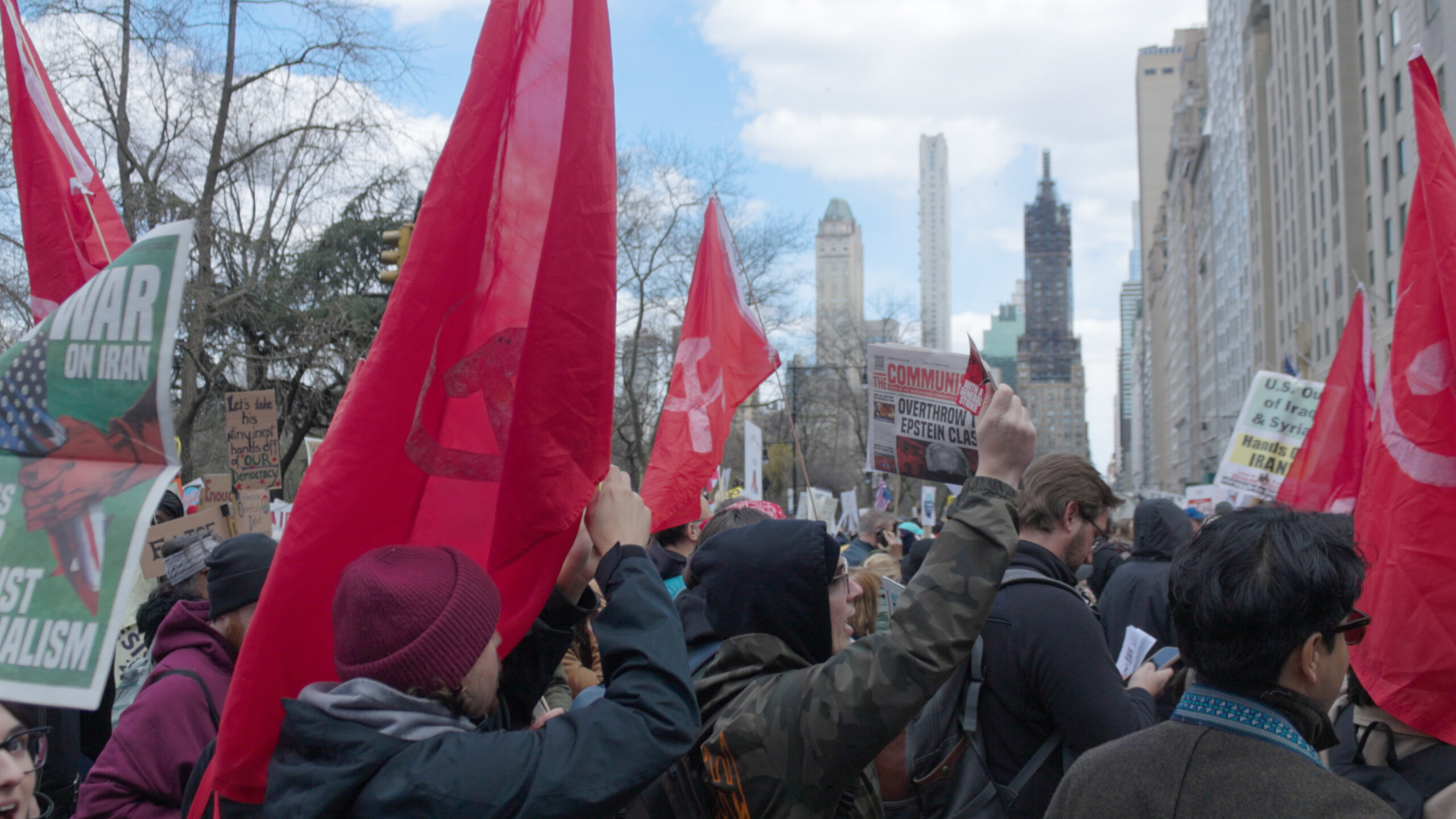
While the march united to challenge the Trump administration, the event drew groups with various political opinions.
Some protestors, like teacher Oren Yaretz, were concerned about the social and economic problems that regular Americans face, such as education, immigration, and the increasing cost of living. He described the protest as both a demonstration of resistance and an opportunity for people to connect and organize.
While Stanton Young, from the Revolutionary Communists of America, spoke out against the unfair distribution of wealth and urged workers to come together more effectively. He believed that simply protesting was not enough – there needed to be ongoing, organized political efforts to bring about real change.
Political Candidates Join the Crowd
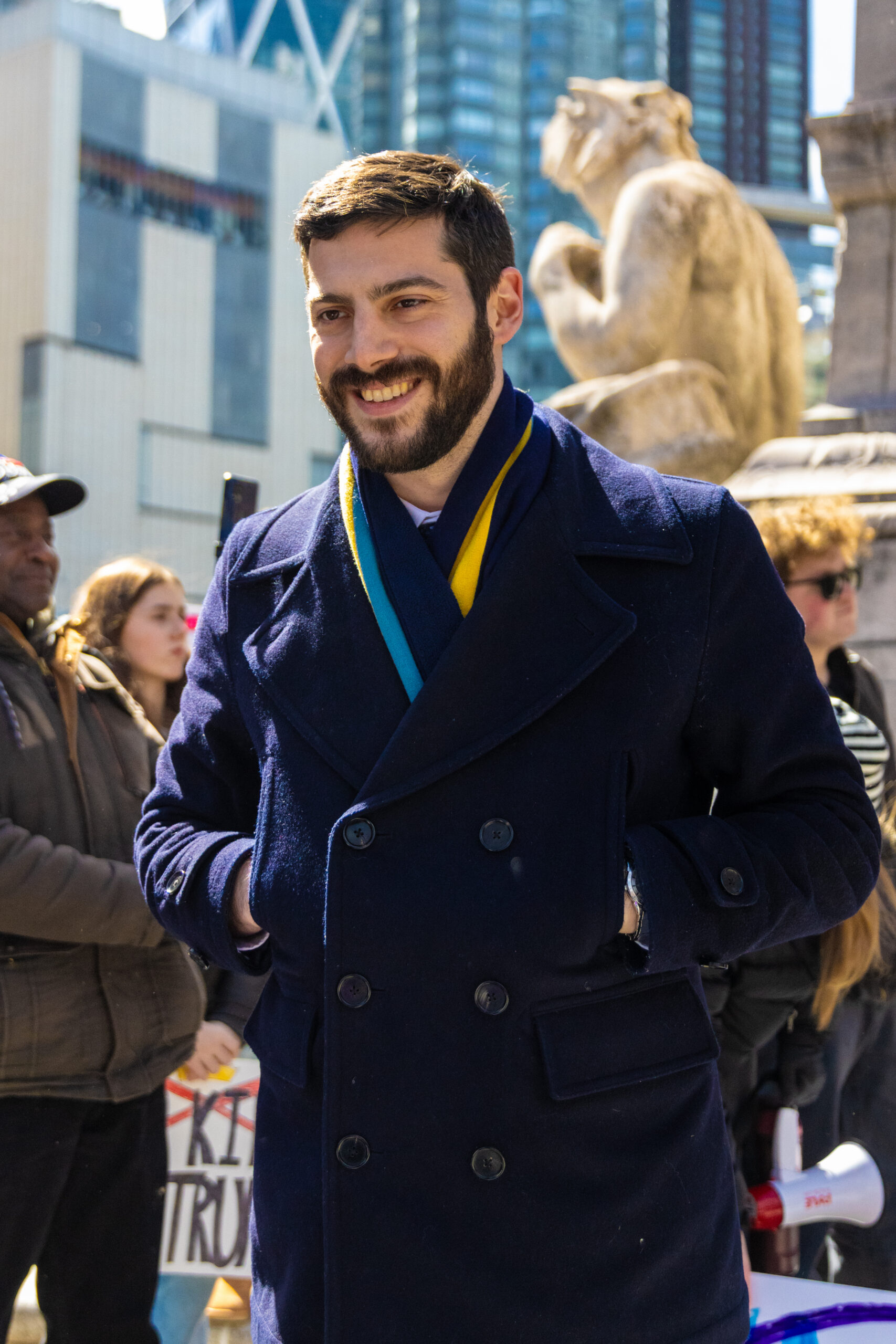
The protest also drew participation from political candidates, signaling how the movement is intersecting with upcoming elections.
Alex Bores, who is running for Congress in New York’s 12th District, said showing up was critical.
“We need to be resisting what is happening in D.C., because we need to be showing that we are the majority,” Bors said, ”These times are not normal… it’s incumbent on all of us to be out on the streets and fighting for everyone’s rights.”
Bors added that while elections will play a key role, continued public demonstrations are necessary to maintain pressure.
“We’ll win in November, but every day between now and then, we’re going to keep showing them that this is not normal.”
He also pointed to the diversity of the crowd as a defining feature of the protest.
“This is America. This is New York City… people of all ages, all backgrounds, all languages—this is what it looks like.”
A Journalist’s Perspective
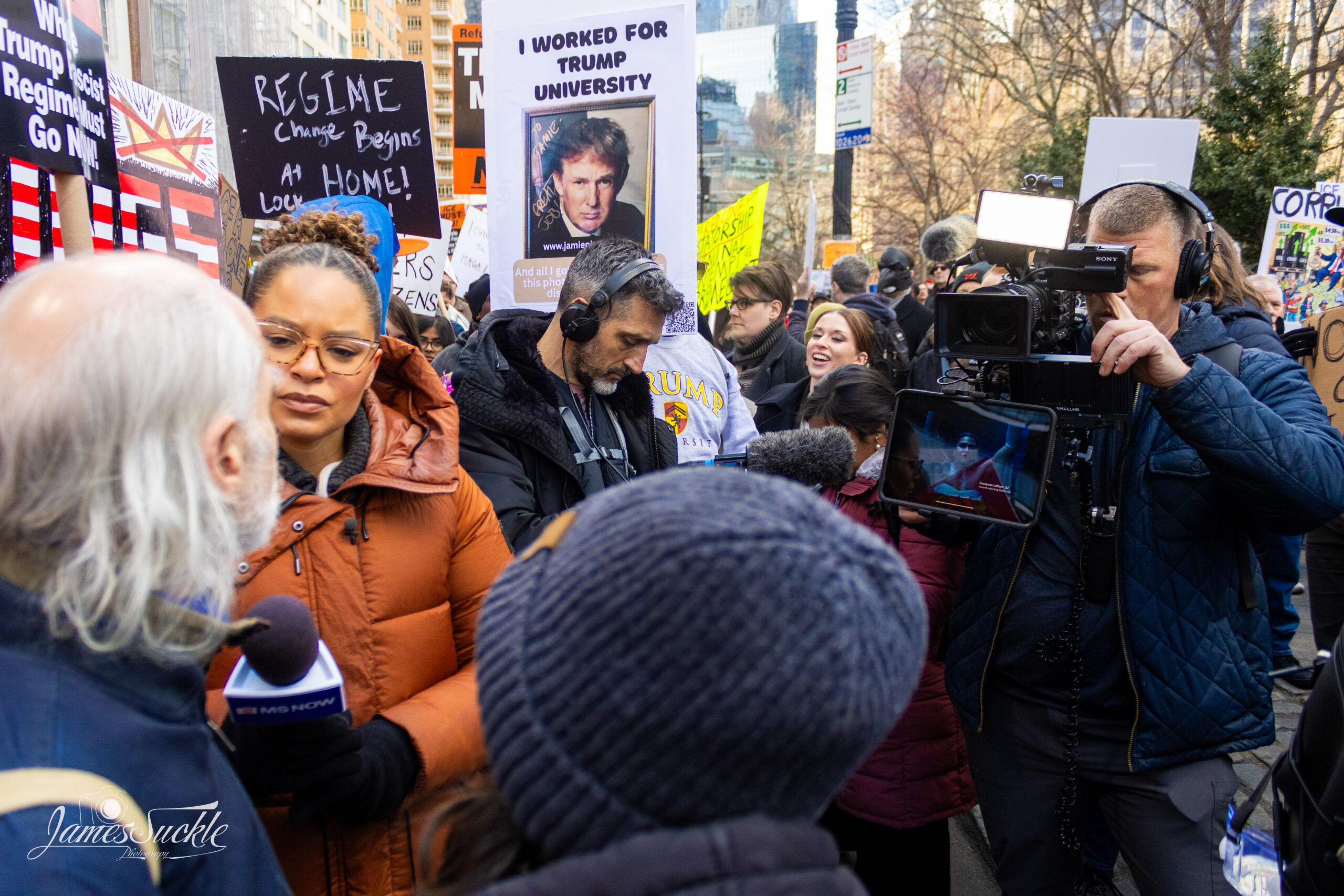
MSNOW Correspondent Antonia Hylton, who was on the ground covering the event, described the experience as a reminder of the importance of being present in the field.
“It is inspiring… to be out with people in the street, hearing from them, giving them a platform,” she said, emphasizing the role of journalists in capturing real voices during major moments like this.
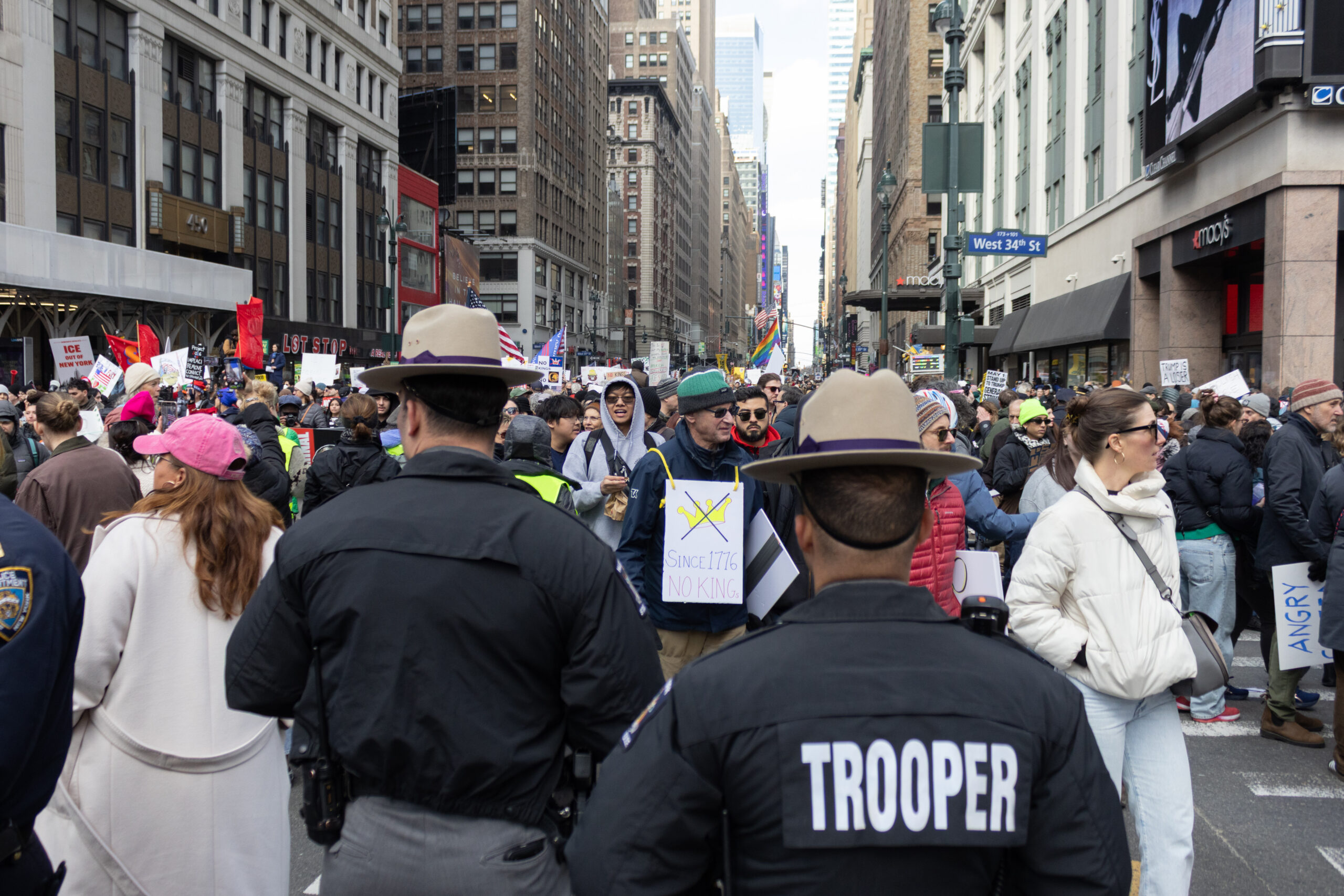
No Kings organizers such as J.W. Walker talked about how this year’s march was one of the biggest and most successful events held in New York City with the NYPD reporting zero protest-related arrests. The No Kings organization will host a call on Tuesday night to celebrate the event and discuss what comes next.
Walker emphasized the importance of the movement saying, “Just that more and more people around the country and around the world know that they can take a stand. That’s why it’s really important. And for large cities like New York, that we inspire smaller towns to come out and take a stand.”