

Inside the Gilgo Beach trial: A student reporter’s view from the courtroom
From pre-trial hearings to a shocking guilty plea, following each appearance of Rex Heuermann as the case unfolded in real time from a student’s perspective.
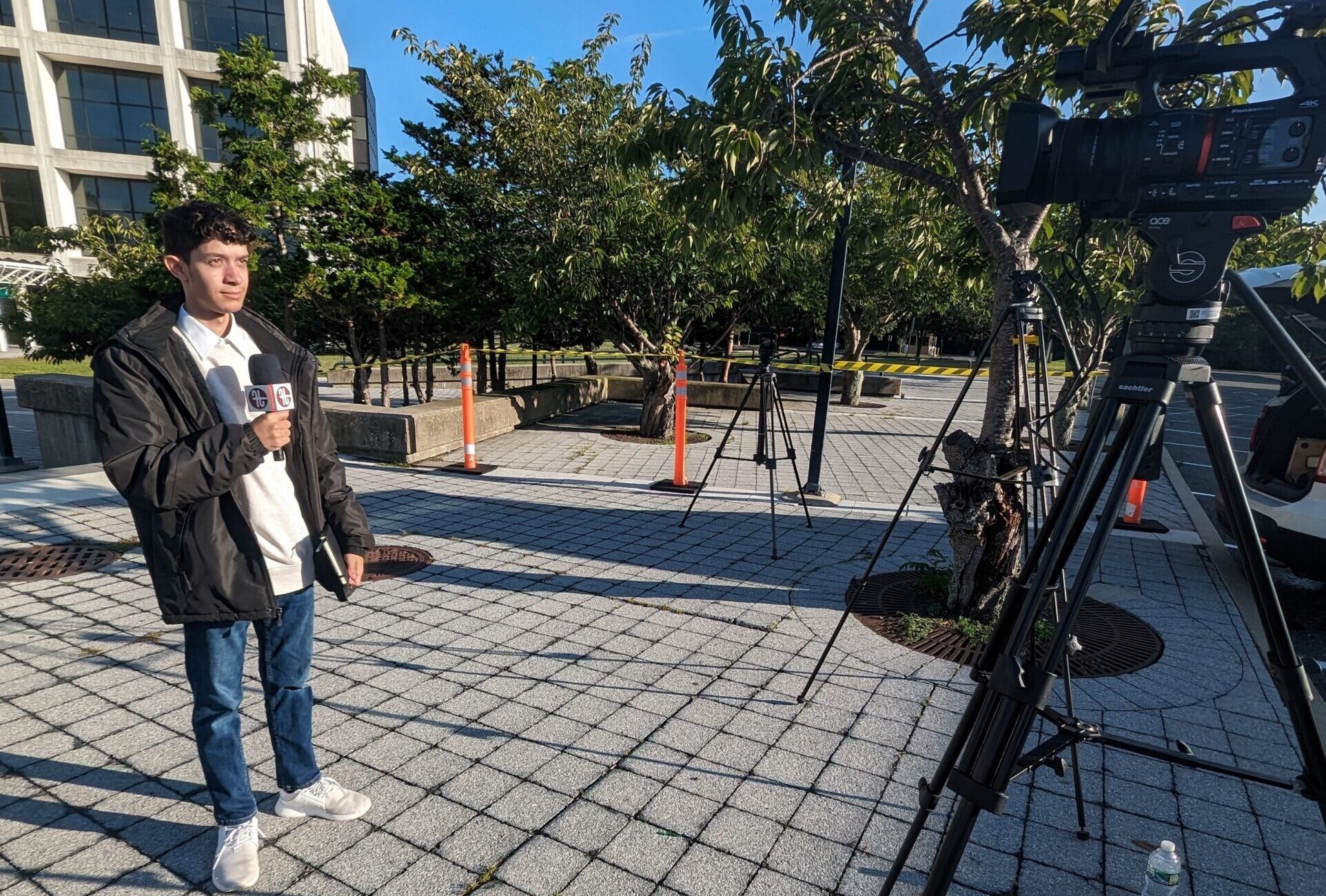
By Daniel Garcia
RIVERHEAD, N.Y. — Over the past two and half years, I’ve sat in the same courtroom watching one of Long Island’s most high-profile cases unfold. Each appearance of Rex Heuermann brought new developments, new questions, and at times, moments no one in the courtroom expected.
What started as a series of procedural hearings slowly evolved into something much larger. A case built on years of investigation, thousands of pages of evidence, and a story that stretched back more than a decade.
This timeline follows the appearances I attended, capturing how the case developed from early evidence hearings to a sudden, unexpected conclusion.
SEPT. 27, 2023: DNA evidence takes center stage
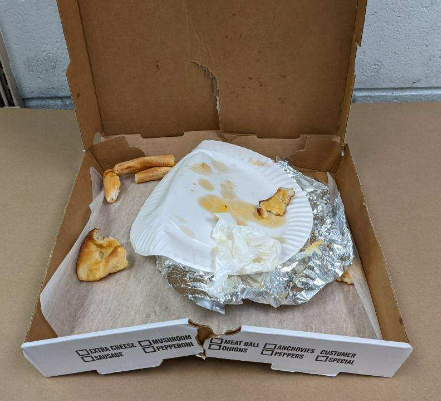
Heuermann’s first major appearance after his arrest immediately centered on the evidence. Prosecutors pointed to DNA collected from a discarded pizza crust, which they say linked him directly to one of the victims.
Inside the courtroom, the scale of the case became clear. Thousands of pages of documents were already being turned over to the defense, and Heuermann confirmed he had begun reviewing them.
Following the hearing, Suffolk County District Attorney Raymond Tierney spoke to the media about the DNA evidence and its significance in the case:
Heuermann’s defense attorney pushed back on that narrative, raising questions about how DNA can be transferred and interpreted:
Even at this early stage, the case felt larger than expected and was still growing.
OCT. 2, 2023: The case begins to take shape
Just days later, Heuermann returned to court for another pre-trial conference. There were no major announcements, but the steady flow of evidence continued.
The proceedings were procedural, focused on discovery and preparation, but they highlighted how methodically the case was being built. Heuermann maintained his innocence as both sides prepared for what was expected to be a lengthy process.
In the room, it felt like a pause to set up for what was coming next.
Heuermann pleaded not guilty, but the additional charge changed the scope of the case. What had been a series of accusations now formed a clearer pattern.
For those inside the courtroom, this was one of the first moments where it felt like the case was expanding beyond its original framework.
APRIL 17, 2024: Shifting the blame
By spring, the tone inside the courtroom had changed. The defense sought access to FBI records and raised questions about the role of former Suffolk County Police Chief James Burke, thereby bringing the investigation itself into focus.
At the same time, prosecutors turned over additional evidence, including data from hundreds of electronic devices and investigative leads.
After the hearing, District Attorney Tierney addressed the growing amount of evidence being turned over:
The defense also spoke publicly, emphasizing concerns about how the investigation was handled and what information may still be missing:
This hearing stood out because it wasn’t just about Heuermann anymore, but it was about how the case had been handled.
APRIL 8, 2026: A sudden ending, without a trial
After being busy with school and unable to attend in person for some time, what was expected to lead to a lengthy trial instead lasted only a matter of minutes. Heuermann pleaded guilty to seven murders and admitted to an eighth, bringing a sudden conclusion to a case that had remained unresolved for years.
As each victim’s name was read, Heuermann gave the same response when asked how he caused their deaths: “Strangulation.”
The plea avoided a trial, but inside the courtroom, the moment felt heavy. The case had reached a conclusion, but not necessarily closure.
While I was inside the court, my classmates David Frith and Asher Zive were setting up our cameras and mics for coverage.
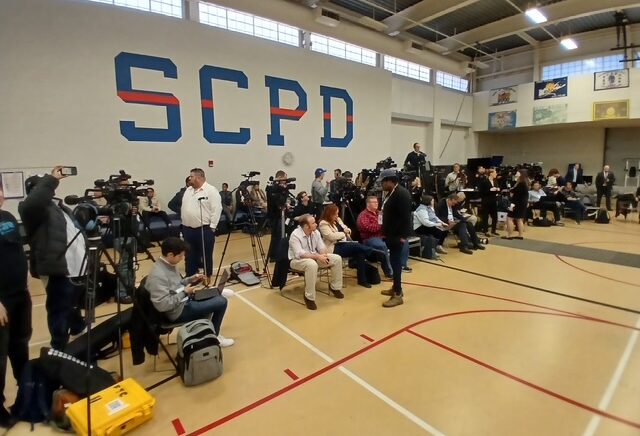

After the hearing, I asked Suffolk County District Attorney Raymond Tierney what message he hopes this guilty plea sends to residents after years of unanswered questions:
FINAL THOUGHTS: The end of a decade-long investigation
Covering this case as a student journalist meant watching it develop one appearance at a time. Some days were quiet, focused on legal details. Others completely shifted the direction of the case.
From the first hearings to the final plea, each moment added another layer to a story that had already shaped Long Island for more than a decade.
But sitting in that courtroom, one thing became clear — even as the case came to an end, the impact of it is far from over.